

The Forever War, Profitable Edition: Why China & Russia Are the Deep State's Best Friends.
America's Grand Chessboard Fantasy: Unpacking the Deep State's 'wet dream' of endless, profitable conflict with China and Russia, where every outcome justifies more defense spending.

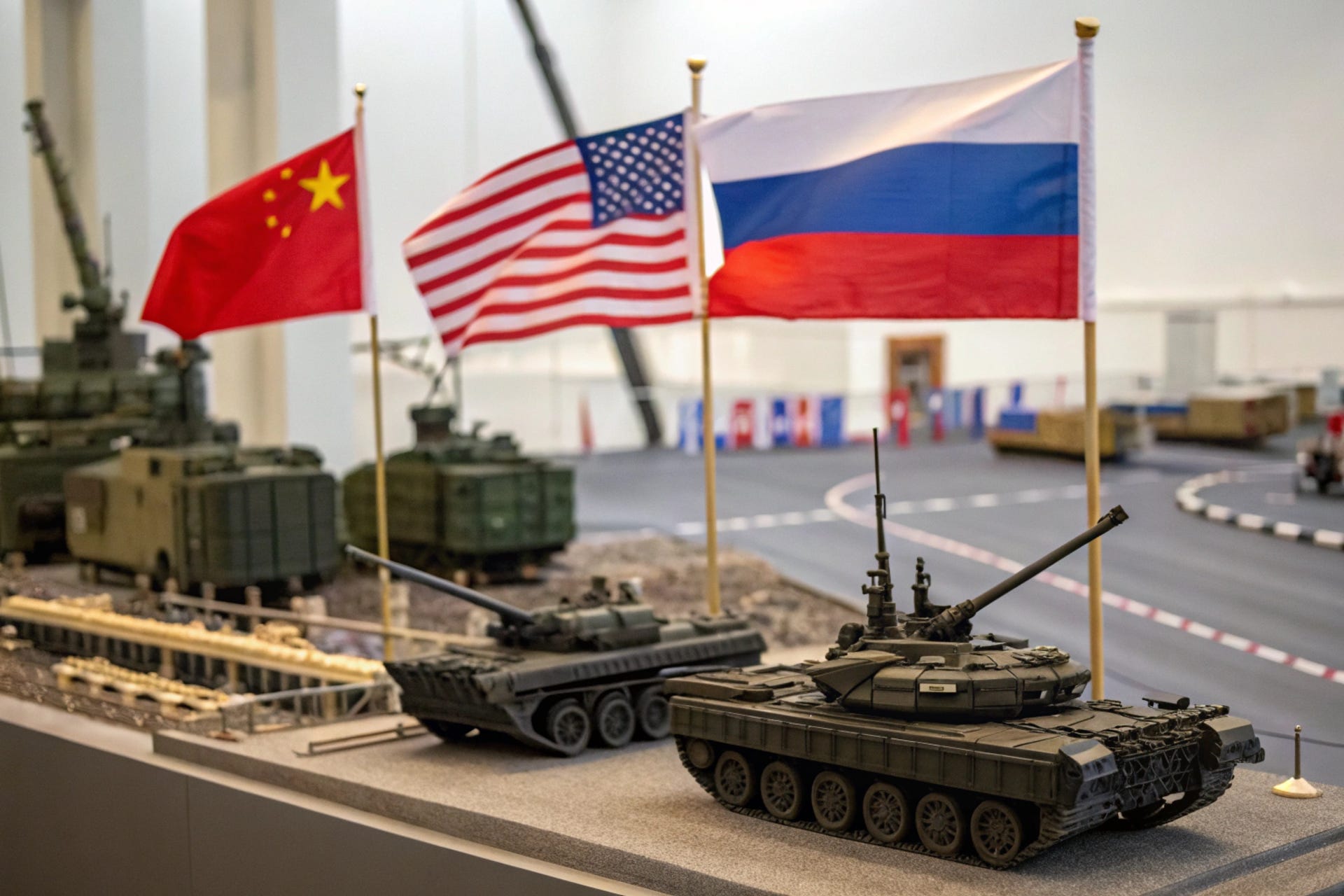
Oh, the sweet, sweet symphony of global rivalry! For too long, the humble American military complex and its shadowy deep-state companions have toiled in relative obscurity, merely "advancing practical ideas to address the world's greatest challenges". But no more! With China's magnificent rise and Russia's rather convenient decline, the stage is perfectly set for a grand geopolitical drama where every possible outcome is, quite frankly, a resounding victory for defense budgets and strategic maneuvering.
Behold, the ultimate strategic "wet dream" – a scenario so perfectly designed, it almost feels too good to be true. It began, naturally, with the predictable obsession: Taiwan.
The Taiwan Tango: A Most Profitable Pyrrhic Victory
For years, the mere thought of a Chinese amphibious invasion of Taiwan has kept policymakers delightfully on edge. It's the "most dangerous U.S.-China flashpoint", the "pacing scenario" for the U.S. military. The Center for Strategic and International Studies (CSIS), bless their transparent hearts, even wargamed this scenario 24 times, meticulously simulating a Chinese invasion for 2026. And what did they find? A truly exquisite dilemma!
In most scenarios, the "United States/Taiwan/Japan defeated a conventional amphibious invasion by China and maintained an autonomous Taiwan". Hooray for democracy! But here's the real genius: "However, this defense came at high cost". Oh, the horror! The United States and its allies would "lose dozens of ships, hundreds of aircraft, and tens of thousands of servicemembers". Taiwan's economy would be "devastated". China, too, would "lose heavily".
The official CSIS report even concludes with the deliciously understated observation: "Victory is not everything". Indeed! Why settle for mere victory when you can have a "pyrrhic victory" that also damages the U.S. global position for years and necessitates immediate strengthening of deterrence? It's like discovering a treasure chest at the bottom of the ocean, only to find out you'll need to build a custom submarine from scratch before you can reach it.
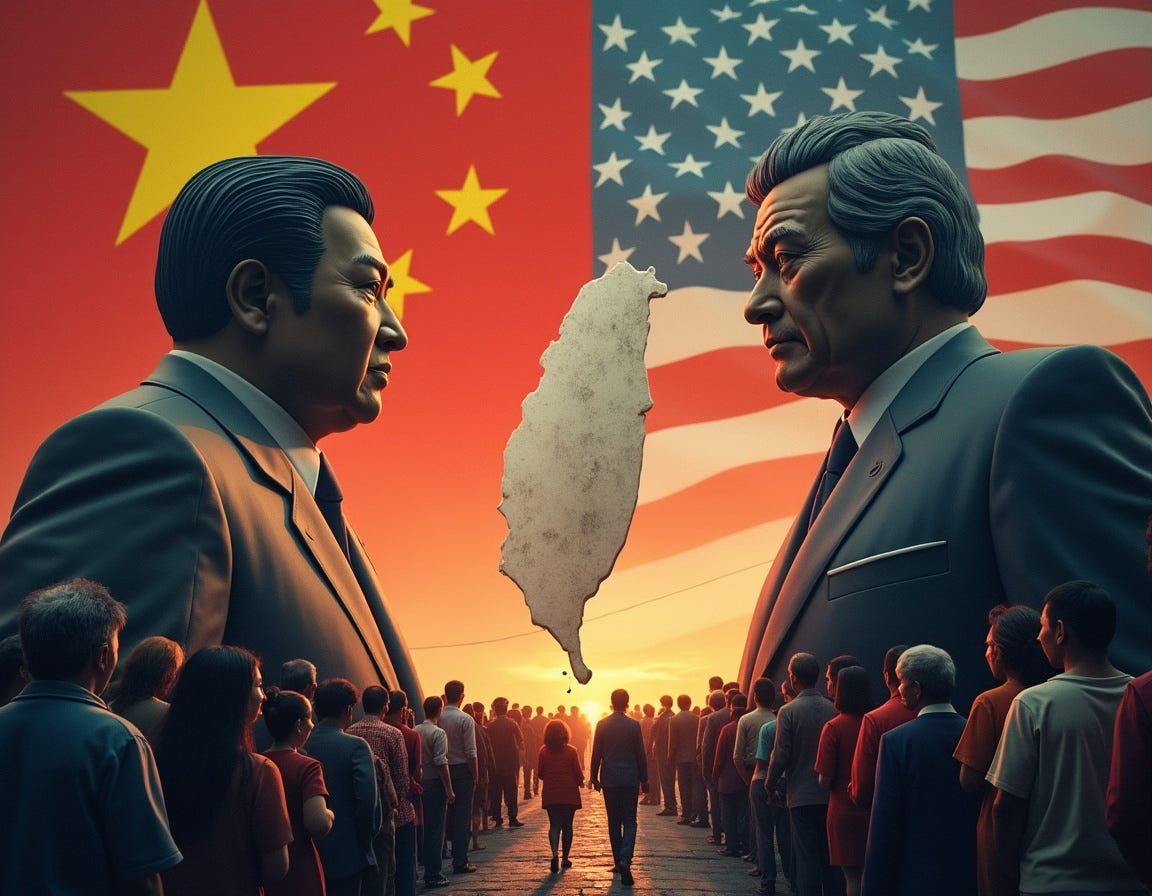
And let's not forget the sheer economic stimulation! A war over Taiwan, according to Bloomberg Economics, could cost the global economy a staggering "$10 trillion, equivalent to 10 percent of global GDP". Taiwan's dominance in semiconductor production means any disruption would "cripple global supply chains". This isn't a problem; it's a magnificent opportunity! A chance to "re-shore" critical industries, re-tool global supply chains, and, of course, justify unprecedented levels of spending on new technologies and military readiness to "hedge against the risk". Apple's dependence on Asian supply chains? Simply a minor inconvenience on the path to economic "restructuring" and endless new contracts.
The Taiwan scenario, while perfectly acceptable for its cost-generating potential, does present some minor "flaws." The CSIS wargame highlights the need for Taiwan to "vigorously resist" and the U.S. to "join hostilities within days and with the full range of its capabilities". Plus, using Japanese bases is "critical". These are conditions, mind you. And as any good strategist knows, conditions can be fickle.
But fear not, for the grand strategic tableau offers an even more tantalizing prospect.
The Siberian Siren Song: A New, Improved, and Utterly Convenient Gambit
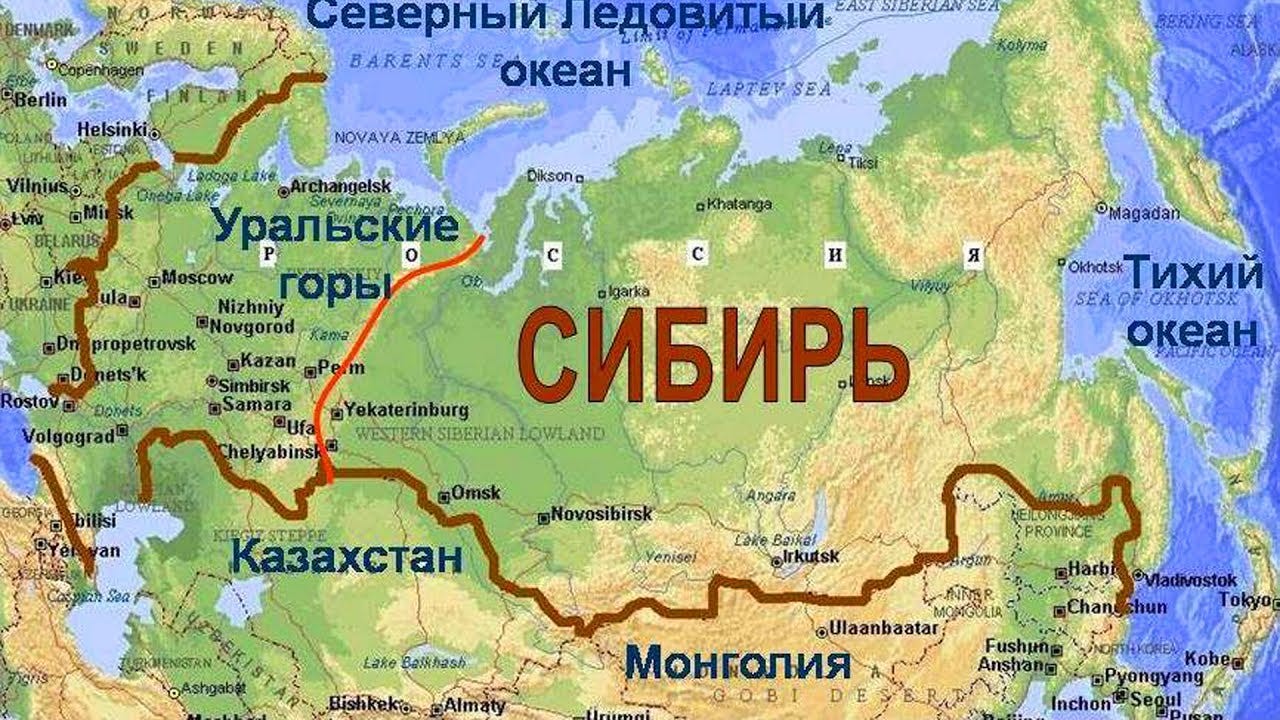
Just when we thought the Taiwan script was perfectly honed, a new, more audacious plot twist emerges from the fertile minds of geopolitical futurists: China will invade Siberia, not Taiwan! Oh, the sheer brilliance! Why bother with a heavily defended, 100-mile-wide strait when an entire, resource-rich continent lies practically unguarded?
This "northern pivot" is a stroke of pure genius for the strategic imagination. Taiwan, with its "logistical and economic nightmare" and pesky U.S. and allied support, suddenly seems like old news. In contrast, Siberia offers a "tantalizing prize with fewer immediate risks". Its "vast reserves of oil, gas, gold, diamonds, rare earth minerals and fresh water" are, quite simply, too good to pass up for a "resource-strapped" China. Imagine the possibilities! Lake Baikal alone holds a fifth of the world's unfrozen freshwater – perfect for transforming China's arid northern provinces or, perhaps, for developing new, water-intensive military technologies.
And the best part? Russia's "weakening grip". Thanks to their own little "special military operation" in Ukraine, Russia's military is "severely depleted". Its "eastern forces" have been "diverted westward", leaving a "vast, 6-million-square-mile territory... dangerously under-defended". Their defense industrial base (DIB) "cannot sustain Russia's current armored vehicle, artillery system, and ammunition burn rates in the medium-term". And their recruitment efforts? "Slowing". It’s as if they planned to be perfectly vulnerable for China's inevitable northern expansion.
Meanwhile, China's People's Liberation Army (PLA) is a "modern and technologically advanced force", boasting "hypersonic missiles, fifth-generation fighter jets and sophisticated cyber warfare capabilities". A perfect match of a strong, ambitious China meeting a weakened, distracted Russia. And the West, bless its earnest heart, would be "distracted by the conflict in Ukraine and the persistent threat to Taiwan". So delightfully predictable!
The Chinese Communist Party (CCP) has even "invested massively in military modernization with the stated goal of being ready for a major conflict by 2027". If Taiwan is "too risky," that "formidable army... will likely not sit idle". Siberia, therefore, presents the "most obvious opportunity". This is not merely a hypothetical; it's a strategically brilliant redirect, fulfilling China's resource needs while subtly challenging the global order in a way that’s much harder for the West to "decisively intervene". After all, who truly cares about the desolate expanses of Siberia compared to the bustling economic hub of Taiwan? (Don't answer that.)
And the cherry on top? China could frame its incursion as a "limited special military operation" to "secure vital resources and protect its economic interests". Ironically mirroring Russia's own playbook in Ukraine. The self-referential absurdity is simply chef's kiss for the connoisseur of geopolitical satire.
Wargaming: The Oracle of Endless Budget Justification
Let's circle back to the sacred practice of wargaming, the high ritual through which these magnificent scenarios are blessed with "analytic soundness". The CSIS project proudly touts its "transparent analysis", its "rigorous" design based on historical data and operations research. They even ran the "base scenario" three times to "map the contours of the conflict".
But here's where the real magic happens, hidden beneath layers of "classified data" and "professional military education". While the unclassified CSIS wargame shows the U.S. and its allies winning in Taiwan (albeit at a shocking cost), the whispers from the classified realm tell a far more satisfying story for the military-industrial complex. In those secret war games, "when we fight Russia and China, [the United States] gets its ass handed to it". Oh, the glorious defeats! "The trend in our wargames was not just that we were losing, but we were losing faster," one general lamented.
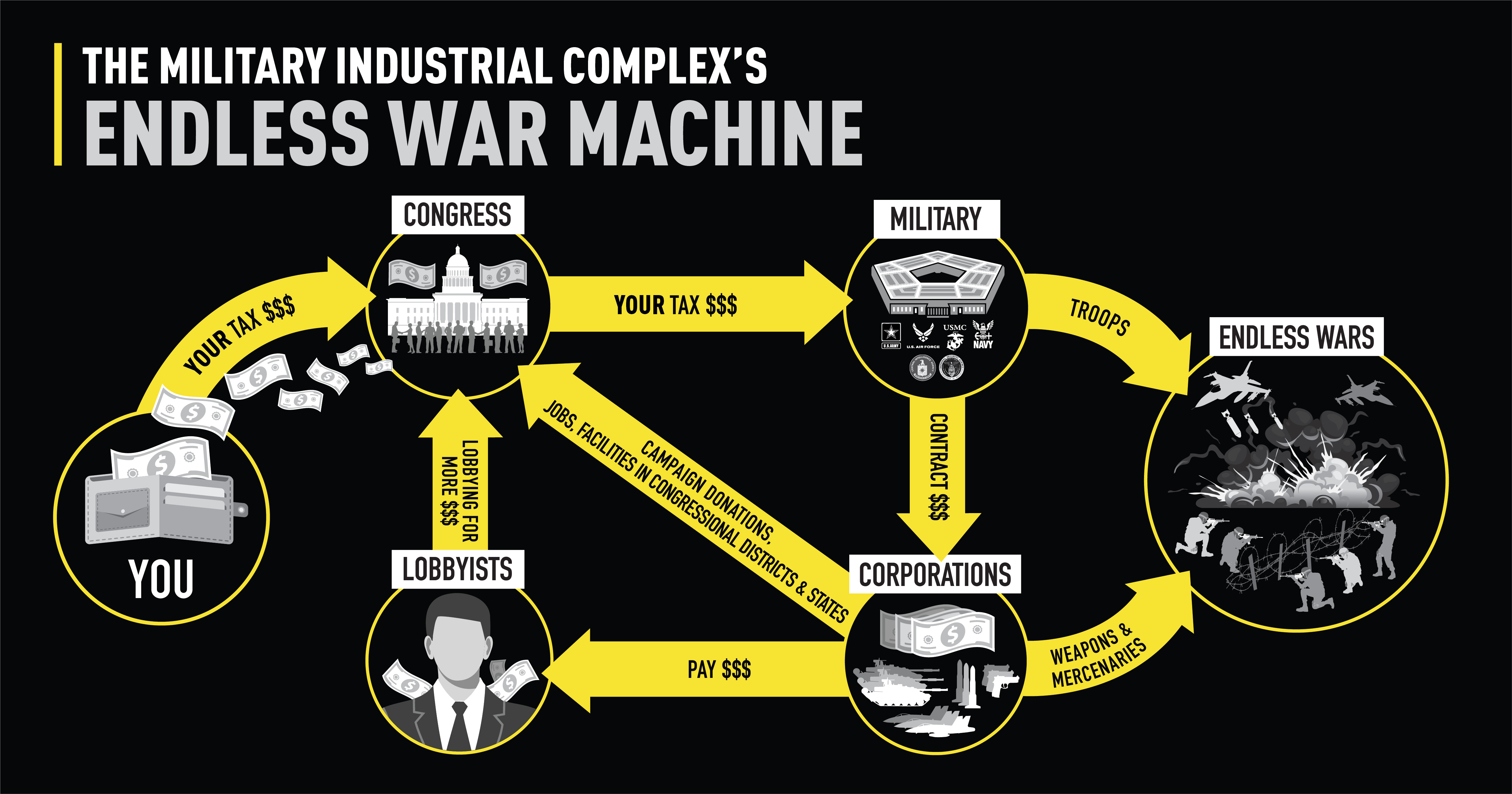
This isn't a bug; it's a feature! These "unfavorable outcomes" and "heavy casualties" serve a vital purpose: they "test the limits of the U.S. military" and "evaluate American vulnerabilities". And what do vulnerabilities require? More funding, of course! More resilient force postures, more hardened aircraft shelters, more long-range anti-ship cruise missiles, more submarines, more everything! The ultimate justification for "across-the-board increases in U.S. defense spending".
The genius lies in the "different purposes" of wargames. Some are for "educating players", some "stress test" concepts, and others are just to "challenge the players and counteract complacency". It's all about keeping the system vibrant, the intellectual churn constant, and the perceived "gap" in capabilities perpetually open. As the report notes, "Wargames are worthless, but wargaming is indispensable". In other words, the results might be negligible, but the process of dreaming up these elaborate conflicts is absolutely essential for generating the narratives that fuel the machine.
The Unshakeable "Pacing Threat": A Perpetual Strategic Bonanza
And so, whether China chooses the "logistical and economic nightmare" of Taiwan or the "stealthier, more pragmatic" grab for Siberia, the outcome for the American military complex remains deliciously consistent. China is, and will forever be, the "primary global competitor" and the "pacing U.S. competitor". This ensures that the magnificent military modernization programs will continue unabated, perfectly calibrated to counter whatever audacious move Beijing conjures next.
The fact that "the project does not take a position on whether the benefits of defending Taiwan outweigh the prospective costs" is a testament to the sheer self-sustaining brilliance of the entire enterprise. It's not about the why; it's about the how much. How much damage can be mitigated? How much capability can be acquired? How much more can be "invested" to ensure that, no matter what happens, the military-industrial complex remains unequivocally, magnificently, and eternally indispensable.
The dream, it seems, is boundless. And the budgets, thankfully, are following suit.
Now that was some of the best geopolitical snark I have ever read, anywhere. You had me laughing at numerous places in the article.
Just beautiful.
You also raise an interesting question:
Wouldn’t it be nice if we just repair our public infrastructure, build more of that, and lower the cost of living instead of raising the cost of living with another war?
They need to give a Nobel Prize in stupidity and disconnect from reality to whoever came up with the idea of China invading Russia.