

Find the Best Banking Options for Your Financial Needs
Discover the most reliable and convenient banking services for your daily transactions. Find out how you can improve your financial situation today.


When it comes to financial institutions, there are many different types to choose from. Each type of financial institution offers different products and services, so it’s important to find one that best suits your needs.
Here are a few things to consider when choosing a financial institution:
1. What products and services do you need?
Make sure the financial institution you choose offers the products and services you need. For example, if you’re looking for a place to save for retirement, you’ll want to find an institution that offers IRA accounts.
2. What are the fees and interest rates?
Be sure to compare the fees and interest rates of different financial institutions before making a decision. You don’t want to end up paying more than you have to in fees or get stuck with a low-interest rate.
3. How convenient is the location?
If you’re looking for a local bank or credit union, make sure the one you choose has branches or ATMs near you. This will make it easy to deposit money or withdraw cash when you need it.
4. What is customer service like?
When you’re dealing with your finances, you want to be able to rely on great customer service. Find out what others have said about the customer service of the banking services you’re considering.
5. What are the reviews like?
This can be a helpful way to get an overview of what others think of a particular financial institution. Try searching online for the name of the institution + “reviews” or “ratings” to find relevant results.
6. Check out their website
Most financial institutions will have detailed information about their products and services available on their website. This can be a great way to learn more about what they offer and see if it aligns with your needs.
7. Speak to someone directly
Sometimes the best way to get information is to speak to someone at the financial institution directly. This can allow you to ask specific questions and get tailored advice.
8. Check if that institution is FDIC insured
This means that your deposits are protected up to $250,000 if the bank fails. You can check the FDIC's website to see if a particular bank is insured.
9. Look at the bank's fees
Some banks charge monthly maintenance fees, ATM fees, and other miscellaneous fees. You'll want to make sure that the fees you'll be charged are reasonable and that you won't be nickel-and-dimed to death.
How to Compare Financial Institutions
There are a few key ways to compare banking services:
Look at the interest rates they offer. This will give you an idea of how much your money will grow over time if you invest it with them.
Look at the fees they charge. Some institutions charge higher fees than others, so this is something to take into account when making your decision.
Look at the quality of their customer service. This is important because you want to be able to get help from someone if you have questions or problems.
Look at the investment options they offer. This is important because you want to make sure that the institution you choose offers the type of investment that you are interested in.
Look at the stability of the institution. This is important because you
When you are looking for banking services, there are a few key things you will want to compare you want to make sure that the institution is convenient also for:
Location: the first thing you should consider when choosing a banking service is its location. You'll want to choose a bank or credit union that has branches near you. This will make it easy for you to visit a branch to conduct transactions in person if you ever need to.
Hours of Operation: another thing to consider is the hours of operation for the financial institution's branches. If you work traditional hours, you'll want to choose a bank or credit union with branches that are open during the weekdays. However, if you work nontraditional hours, you may want to choose a financial institution with extended hours or even 24/7 access.
If you are looking for a bank that offers online banking, you will want to make sure that the bank you are considering offers this service.
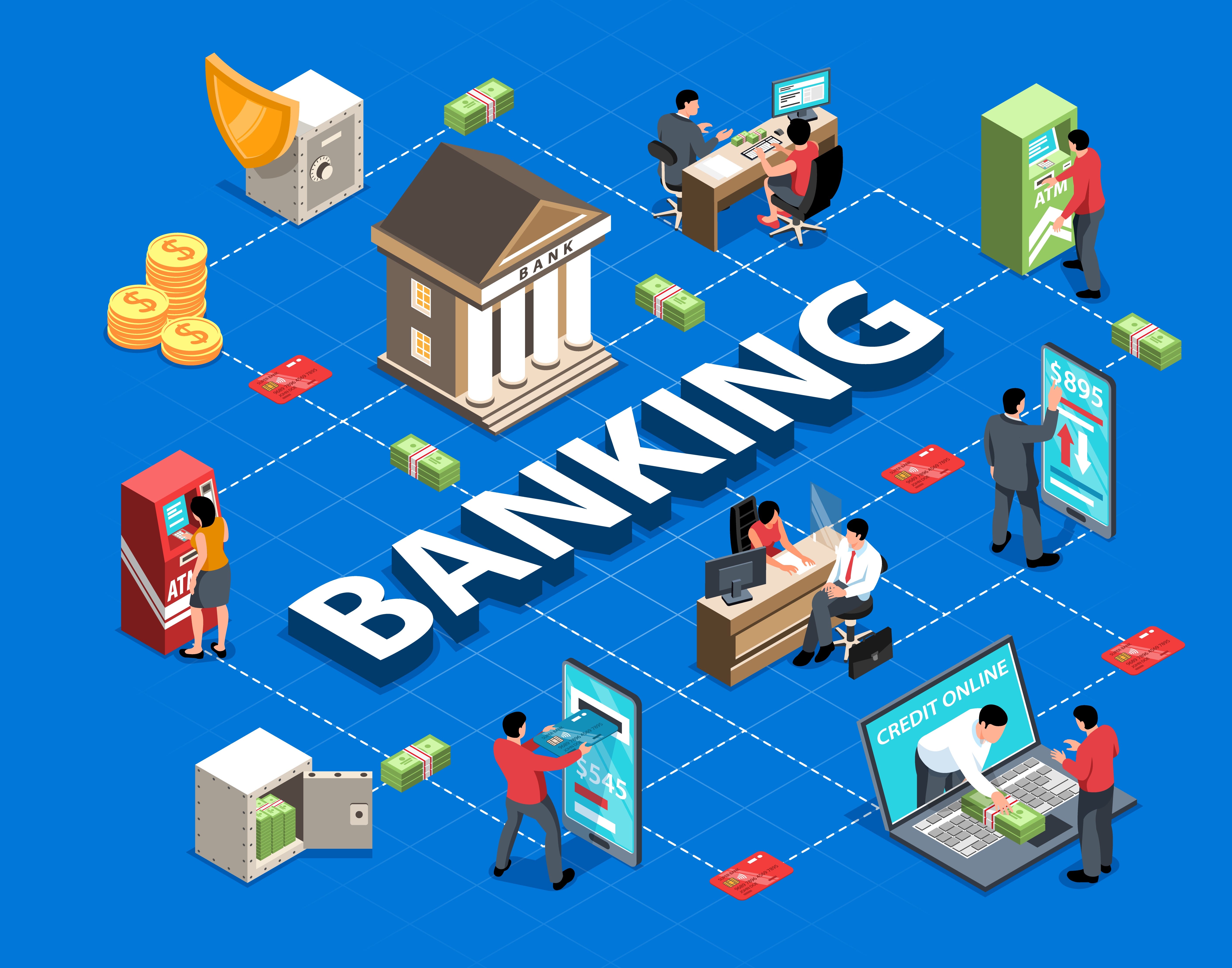
Tips for Choosing the Right Financial Institution
There are a few things to consider when choosing a financial institution, such as whether you want a bank, credit union, or online lender. You'll also want to look at the fees, interest rates, and terms and conditions of each option. It's important to compare your options and choose the one that best suits your needs.
What are the three types of financial institutions?
There are three primary types of financial institutions: depository, non-depository, and investment.
A depository institution is a financial institution that accepts deposits from and provides financial services to individuals and businesses. Common types of depository institutions include commercial banks, savings banks, thrift institutions (such as savings and loan associations), and credit unions.
Non-Depository Institutions are financial institutions that do not take deposits from customers. Examples of Non-Depository Institutions include insurance companies, investment banks, securities firms, and mortgage lenders. These institutions make money by providing services such as investment advice, insurance policies, and loans.
Investment institutions are organizations that manage, administer, and provide financial services related to investments. They have typically regulated entities that require licensure or registration with a government agency to offer their services. Examples of investment institutions include banks, brokerages, mutual funds, pension funds, hedge funds, and private equity firms.
What are the 5 major types of financial institutions?
The five categories of financial institutions include:
Central banks: a financial institution that regulates the money supply and interest rates in an economy. It often supervises other financial institutions and serves as the government’s banker. Its purpose is to maintain economic stability and monetary policy.
Commercial banks: it is a type of financial institution that provides services such as accepting deposits, providing business loans, and basic investment products. It uses these deposits to offer other services to customers such as checking accounts, savings accounts, and certificates of deposit.
Credit unions: they are a member-owned financial cooperative that offers their members savings, loans, and other financial services. It is typically organized around a common bond such as employment, church affiliation, or shared geography. Credit unions are operated by their members who enjoy certain democratic rights to ensure they have control over the finances of the organization.
Savings and loans associations: these are financial institutions that are originally designed to provide loans for home or property ownership. They also offer other financial services such as deposits, investments, insurance, and trust services.
Investment companies: An Investment company is a financial institution that pools the money of individuals, corporations, and/or other institutions to invest in securities such as stocks, bonds, and other investments. They offer a variety of services including portfolio management, managing mutual funds, and advising clients on investments.
The services provided by these institutions will vary based on their type.
Keep in mind a few important things when you’re choosing bank services
There are a few key things to keep in mind when choosing a financial institution, such as a bank, credit union, or online lender. First, consider what type of financial products and services you need. For example, if you're looking for a place to save for retirement, you'll want to find an institution that offers IRA accounts. If you're looking for a loan, you'll want to find an institution that offers loans.
Second, consider the fees associated with the financial products and services you're interested in. For example, some banks charge monthly maintenance fees, while others do not. Some credit unions charge higher interest rates on loans than banks do. Be sure to compare the fees associated with the products and services you're
After doing your research and comparing different financial institutions, it is important to choose the one that is right for you. Be sure to ask the institution questions about fees, services, and policies. Also, make sure to read the fine print before signing any documents. Following these tips will help ensure that you choose the best financial institution for your needs.
30 Useful Questions to Ask a Financial Institution
1. What services does your financial institution offer?
2. What are the fees associated with those services?
3. What are the terms and conditions of your products and services?
4. What is your process for handling customer complaints?
5. How do you protect customer information?
6. What is your policy on overdrafts?
7. What are the interest rates on your products?
8. What are the eligibility requirements for your products and services?
9. What are the risks associated with your products and services?
10. What are the benefits of using your financial institution?
11. What are your current rates for savings accounts?
12. What are your current rates for checking accounts?
13. What are your current rates for money market accounts?
14. What are your current rates for certificates of deposit?
15. What are your current rates for loans?
16. What are your current rates for credit cards?
17. What are your current rates for home equity lines of credit?
18. What are your current rates for auto loans?
19. What are your current rates for personal loans?
20. What are your current rates for student loans?
21. What services does the financial institution offer?
22. What are the fees associated with the services?
23. What is the process for opening an account?
24. What is the minimum balance required to open an account?
25. What is the process for withdrawing money from an account?
26. What are the restrictions on withdrawing money from an account?
27. What is the process for depositing money into an account?
28. What are the restrictions on depositing money into an account?
29. What is the process for transferring money between accounts?
30. What are the restrictions on transferring money between accounts?