

2024 World Summit: Global Alliances and BRICS Impact - Beyond Elite Gatherings?
The 2024 WGS unfolds as a relevant arena where emerging global alliances and BRICS' influence are scrutinized. Is it merely an elite conclave, or are there transformative surprises in store?


As the World Government Summit (WGS) kicks off next week in Dubai, all eyes will be on the shifting geopolitical dynamics at play. Ministers of Industry and Advanced Technology from UAE, Egypt, Turkey, Morocco, and Russia will be attending the forum along with government officials. The UAE, as the organizing country and newest official BRICS member, will take center stage alongside heavyweights like Indian PM Modi and Turkish President Erdogan.
Also Brazil will have government representation, as will Egypt, whose environment minister will attend the event. And notable among those attending will be Dilma Rousseff, president of the NDB, the BRICS bank that is creating an alternative to Western-dominated financial institutions.
Meanwhile in Riyadh, the Saudis are busy planning their own splinter World Economic Forum session for April—an obvious play to attract global influencers and major investors for their capital city's continued expansion. Forget the desert, this Davos will be right in the kingdom's glittering metropolis of Dubai.
It's clear, the old consensus is crumbling. When the WGS Organizers first dreamed up this idea in 2013, the notion of benevolent global governance through elite forums sounded appealing. In the post-Cold War '90s, faith in a unified new world order was high.
But that idealism feels like ancient history today. The "Covid circus", destabilizing conflicts, soaring inflation, and the resurgence of great power competition have left many questioning the premises underlying globalization itself.
Even Elon Musk, speaking at last year's WGS, warned that pursuing a "single civilization" through "too much cooperation between governments" risks civilizational collapse. It was a striking rebuke from a man who dreams of a multi-planet future for humanity.
Not that any of these forums will be lacking for controversy. The Dubai guest speaker line-up features Tucker Carlson fresh off his historic interview with Vladimir Putin. Who knows what pearls the most followed journalist on X (at least!) will drop this time?
The lofty visions promulgated inside the WGS may get undercut by dissenting voices on social media. As the summit gains visibility, expect critics across the political spectrum to engage in vigorous debates on X and other social media platforms about its agenda and attendees. With global connectivity, the conversation inside elite halls now gets joined by instant analysis and argument from afar. The polite policy talks of old increasingly coexist with real-time reactions flowing online. But their tone, attendance, and agendas could look very different in the future compared to the cozy consensus-building of the past. Globalization may be having its midlife crisis.
We're entering a new era of antagonistic cooperation. Countries will make deals and strike partnerships when their national interests align. But in a fracturing world, blanket buy-in to grandiose governing visions is a tough sell.
Does pragmatism mean the end of idealism? Not at all. But the "Values" being platformed from podiums may reflect a broader recognition of cultural diversity in policymaking. Sustainable development doesn't have to mean green technocracy. National sovereignty and international coordination are not incompatible.
Where does all this leave us heading into the WGS and other confabs in 2024? Holding these elite gatherings despite the growing discord is both a risk and an opportunity. Overly rigid adherence to unifying agendas fuels accusations of secrecy and conspiracy. However, managing conflicting interests openly and honestly could forge a stronger global system.
The question is no longer if ideological divides will shape the international order - they already are. What matters now is whether forums can adapt to balance cooperation and competition. The stakes demand vigorous, inclusive debate, not choreographed consensus.
Will the WGS rise to that challenge? As they say, this town ain't big enough for all the globalist visions out there. And if Dubai wants to establish its credentials as a geopolitical crossroads, avoiding UN-style gridlock is a must.
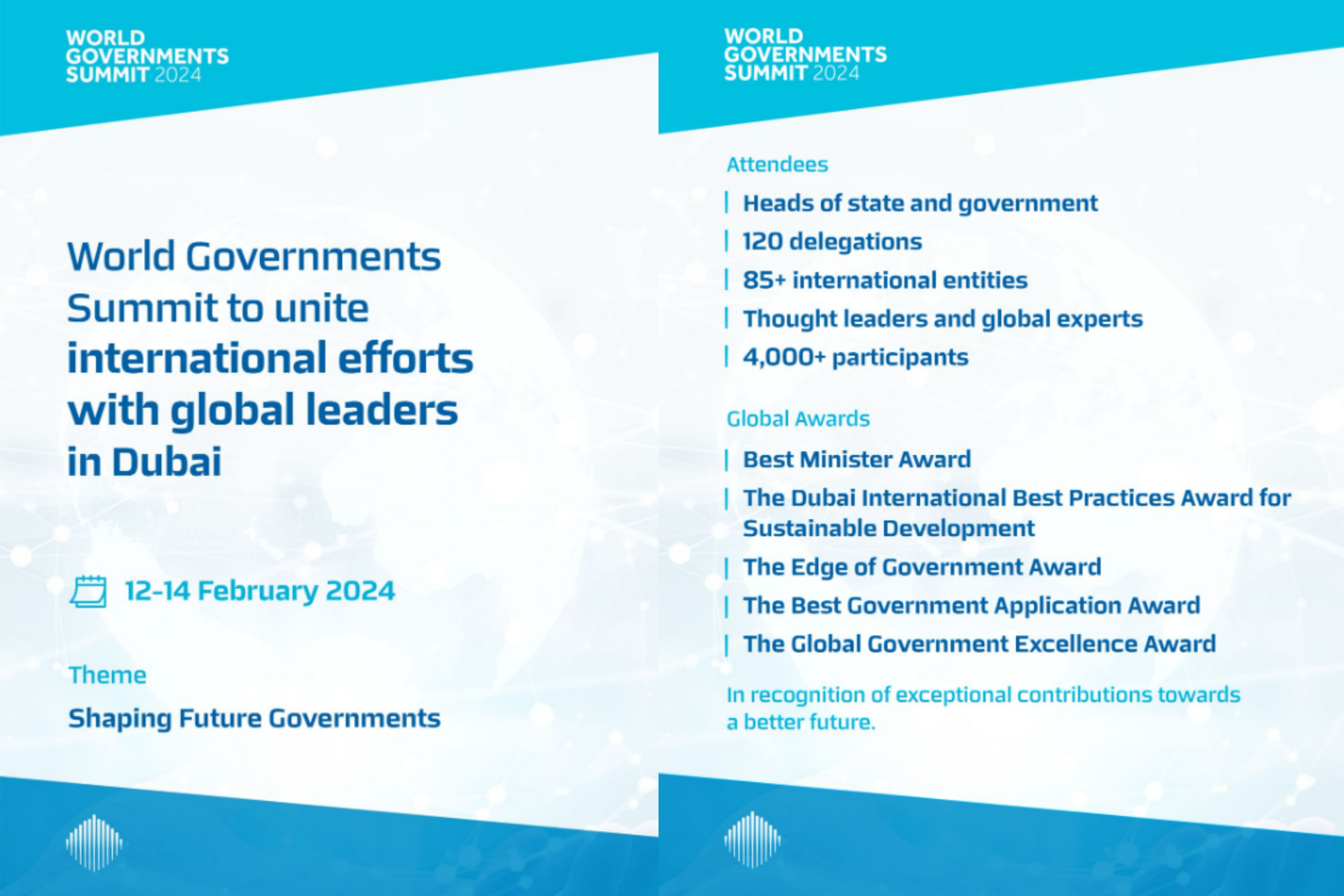
The test is whether vigorous debate can balance cooperation and competition. Lofty rhetoric on harmony is nice. But without honestly grappling with multipolarity and rising BRICS influence, it rings hollow. Asserting Dubai's credentials as a true crossroads for all depends on it.
This summit is at a critical turning point on the world stage. Will it merely recite tired globalist mantras? Or will the WGS be able to adapt its agenda to address today's radically transformed geopolitical landscape boldly? The answer will not be found in presentations, but in the substantive exchanges that will take place in both closed-door meetings and open forums.
The old consensus is fading, yet the WGS must now grapple with the growing clout of BRICS nations and their diverse interests. Shaping an effective new era of international cooperation will require skillfully balancing pragmatic dealmaking with frank, inclusive debate.
As such, the 2024 edition could prove a defining crossroads for not just Dubai's signature summit, but for elite global forums writ large. Their ability - or inability - to transcend familiar patterns and meet this pivotal moment will reveal whether they can remain relevant platforms in the coming decades. It's a crucial test they cannot afford to fail.